My practical engineering career began in 2001. I apply that experience to software, sensing and control for physical systems.
The work below separates verified results from future development and shows how mechanical behaviour, code, measurement and testing were brought together.
Bachelor of Engineering (Honours), majoring in Mechatronic & Robotic Engineering, with First Class Honours; final GPA 6.36/7.0. High Distinctions include Mechanical and Mechatronic System Design, the AUV research project, Robotics and Machine Vision, and Pattern Recognition and Machine Learning.
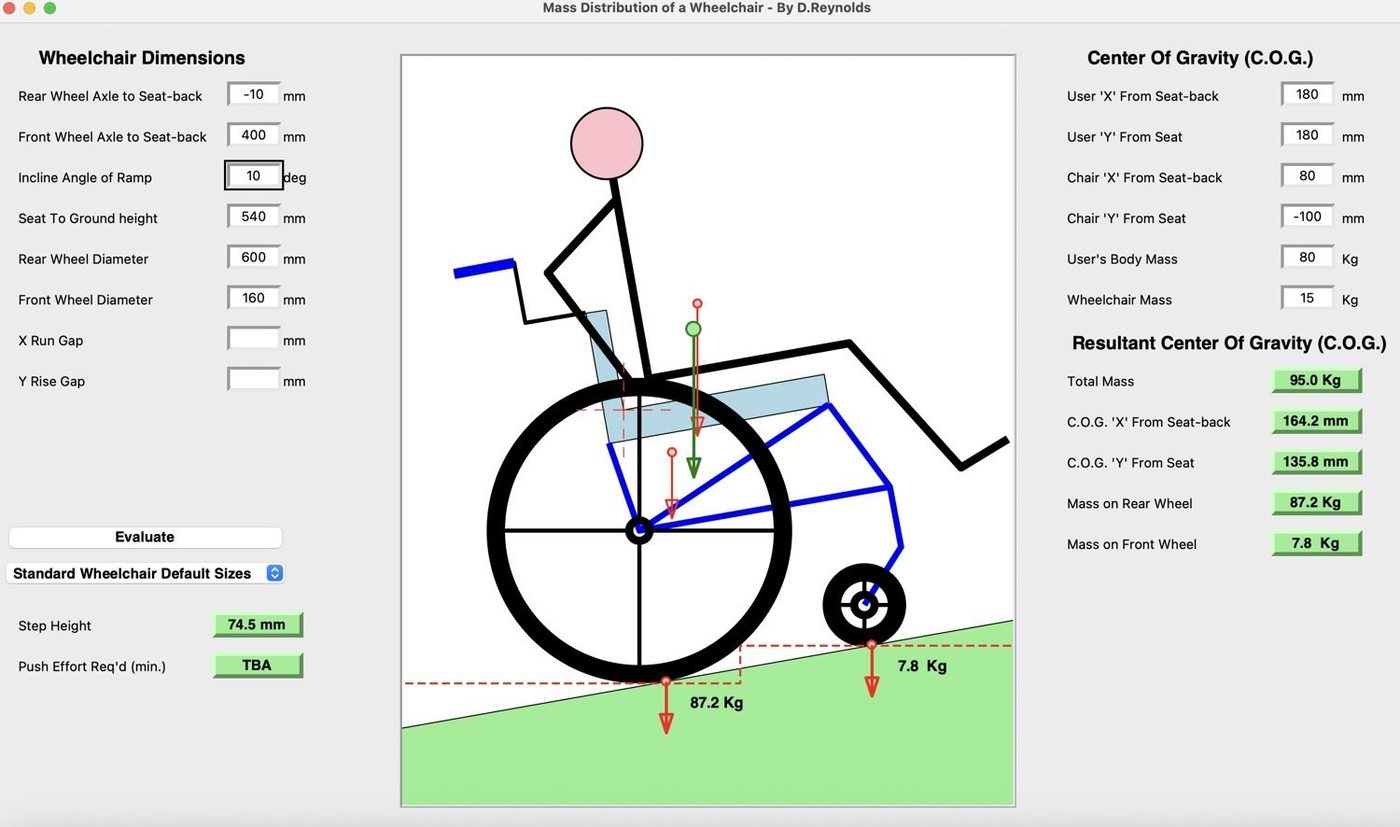
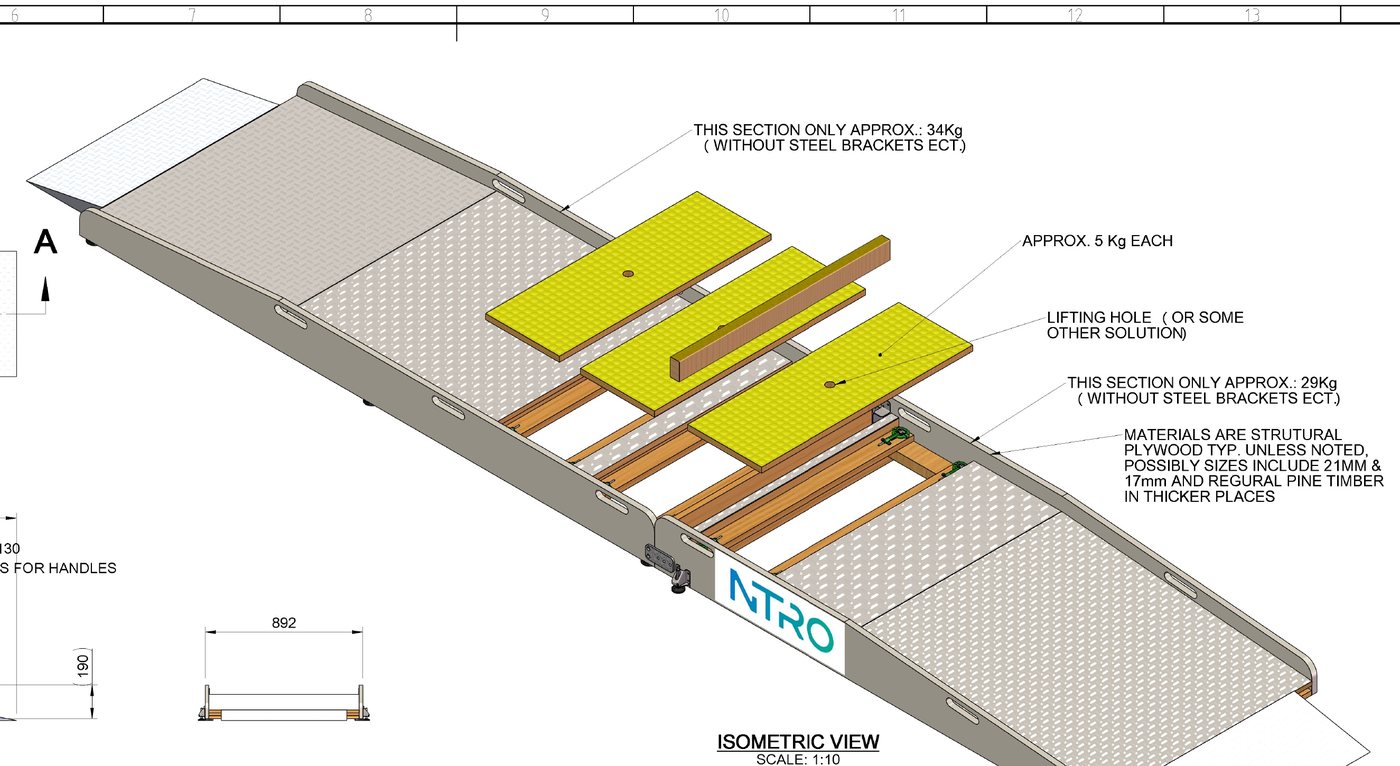
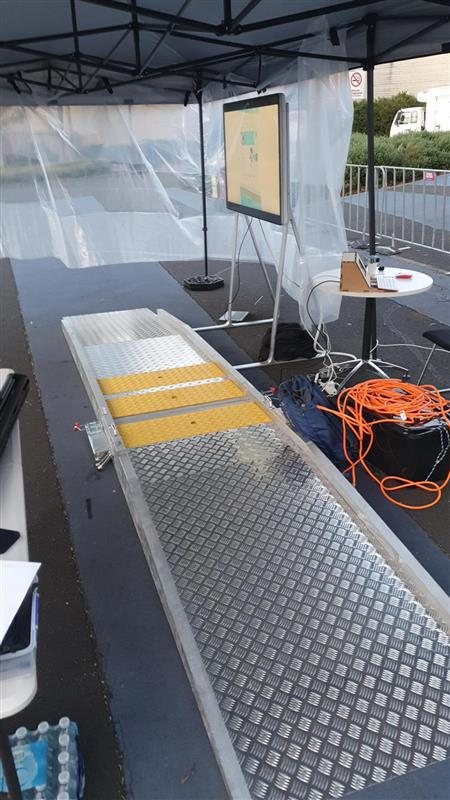
The important question was not simply whether one ramp geometry worked. Passage depended on gap, rise, wheel diameter, mass distribution, centre of gravity and contact state. I proposed a parameterised rigid-body approach, built the Python analysis and interactive tool, then developed the physical apparatus used to investigate the behaviour.


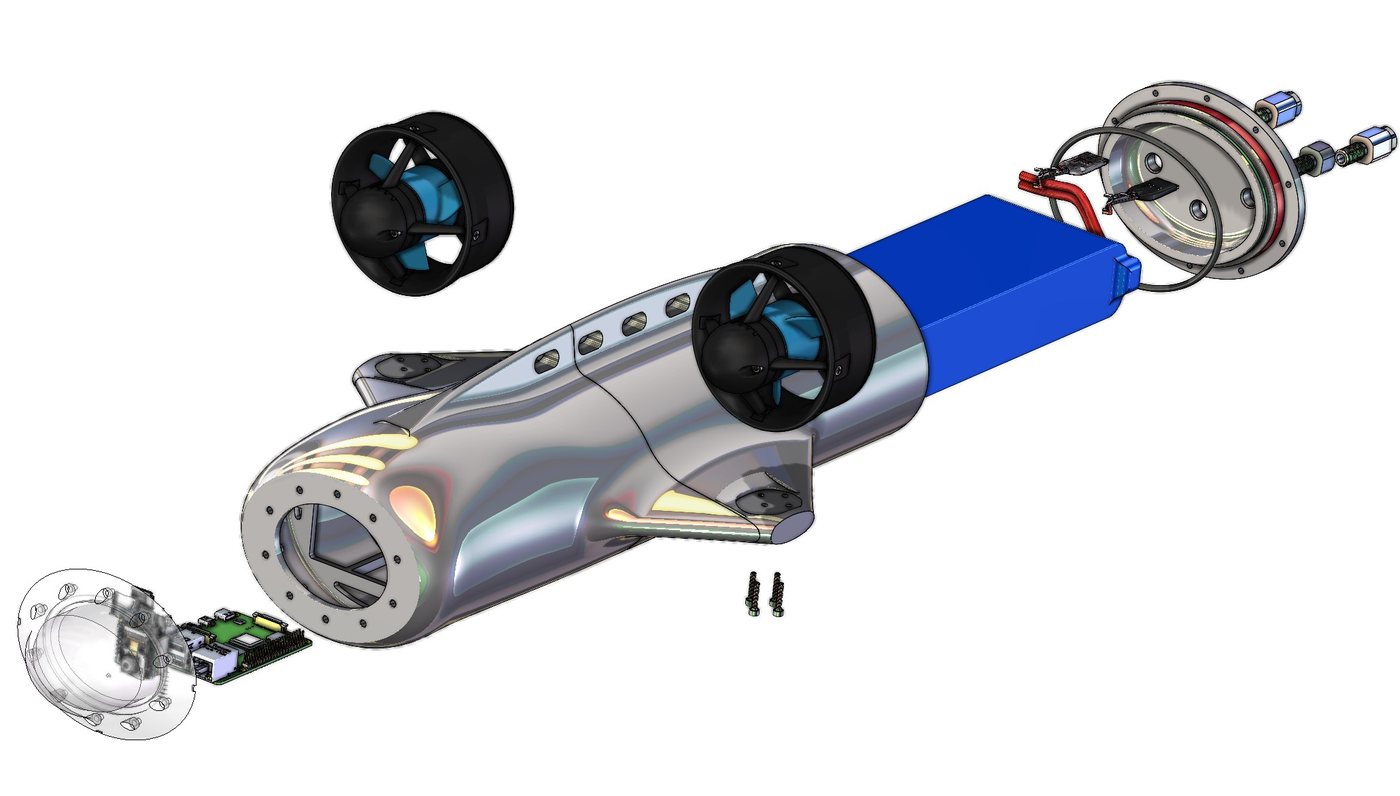
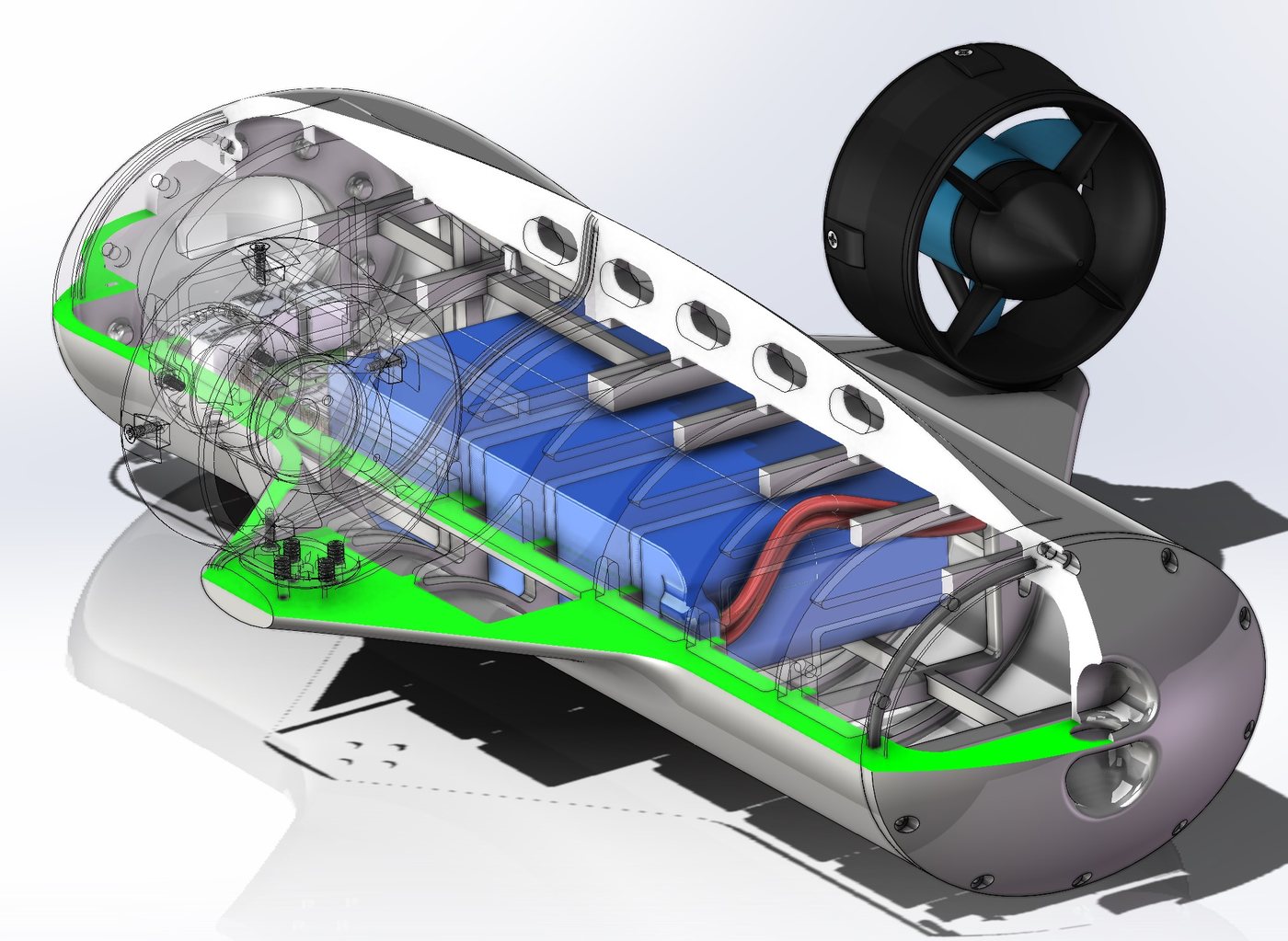
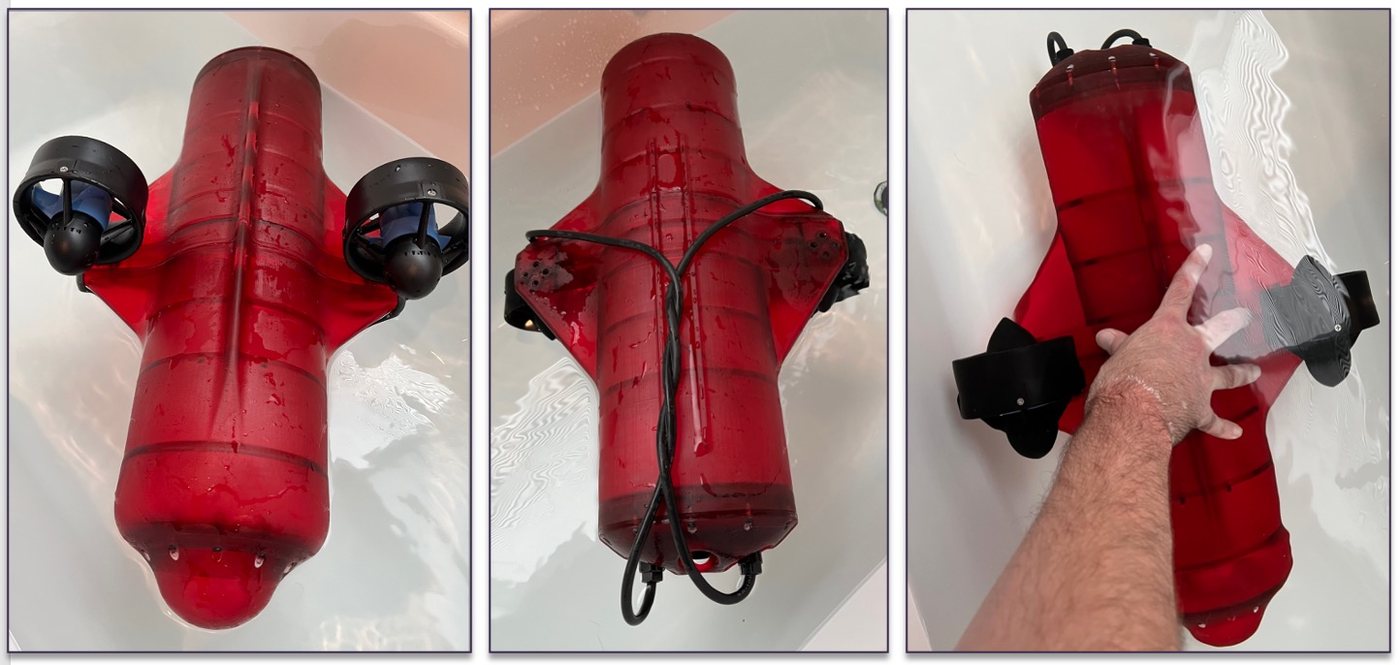
The year-long assessed project combined pressure-hull architecture, structural analysis, buoyancy, trim, propulsion, power and physical verification. I continued it independently as an embedded platform using STM32-family C.
PID, IMU and pressure-sensor interfaces remain development evidence rather than claimed fully validated autonomy.
Selected code:StigReyn embedded firmware on GitHub.


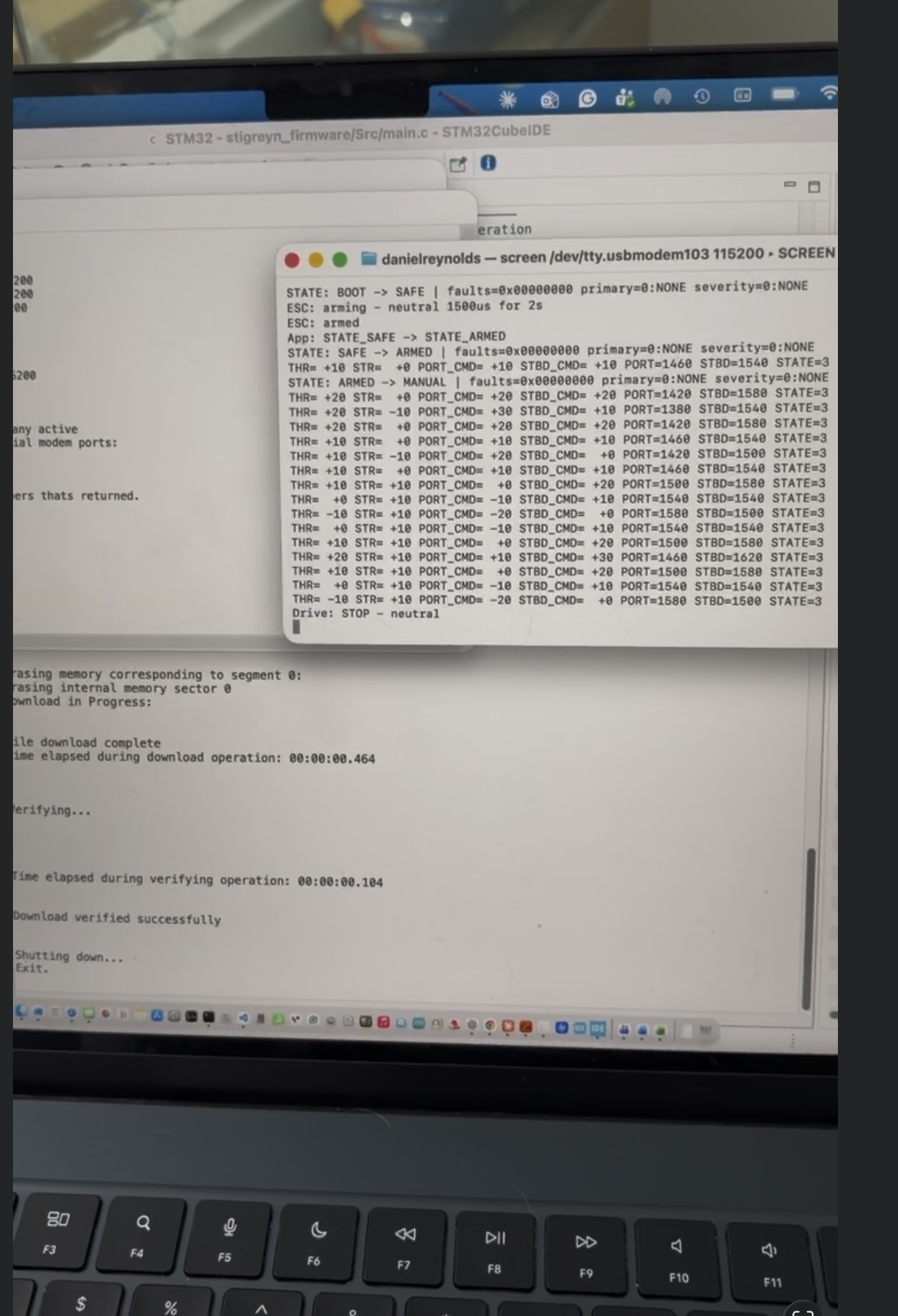
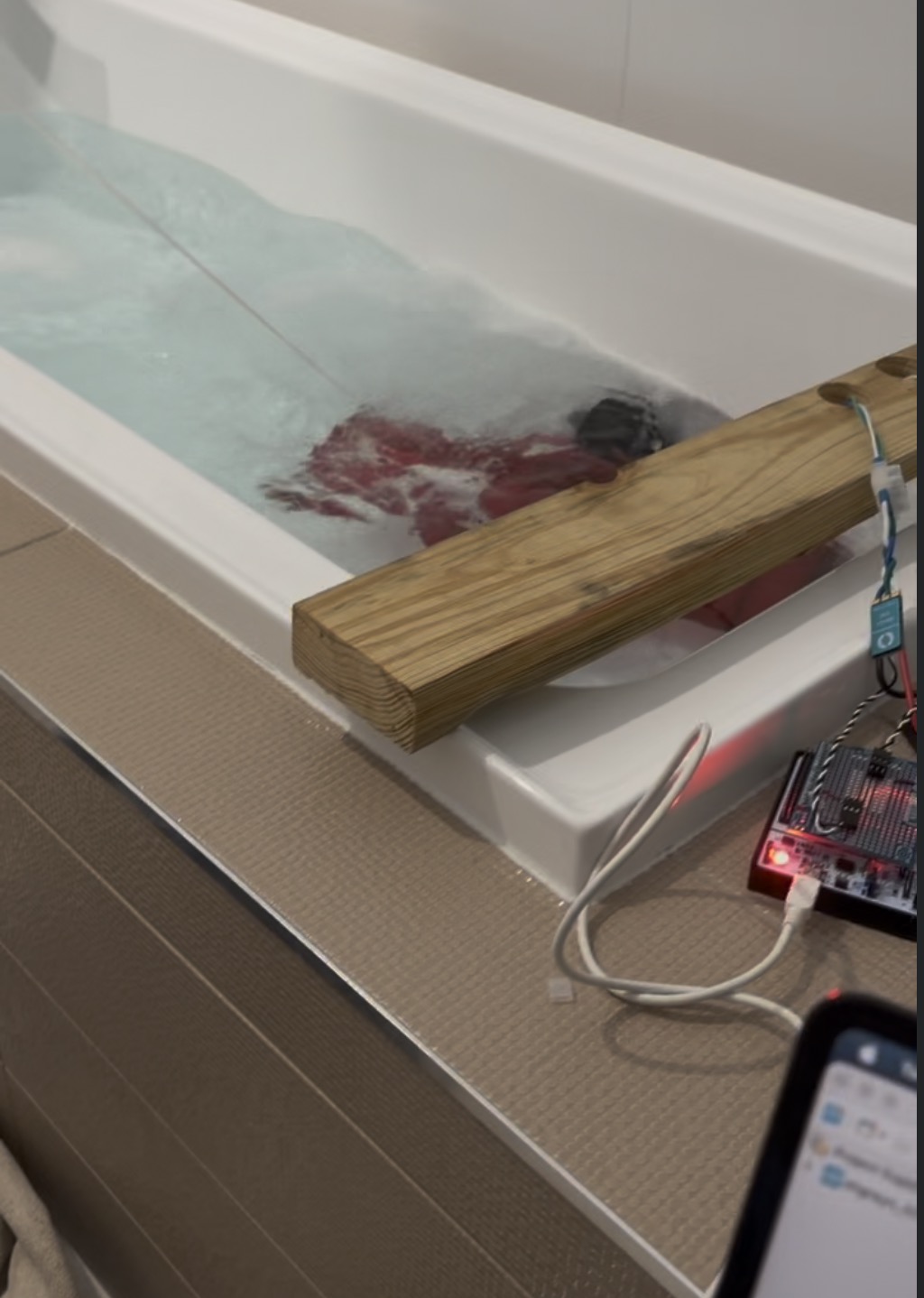
The two thrusters provide substantially more thrust than could be used sensibly in a domestic bathtub. I increased output only far enough to confirm arming, command response, direction and sustained powered operation while the vehicle remained tethered.
Direction is produced by mixing throttle and steering commands into separate port and starboard outputs. A meaningful manoeuvring assessment belongs to the next stage: free-swimming trials after the buoyancy and trim arrangement is finalised.

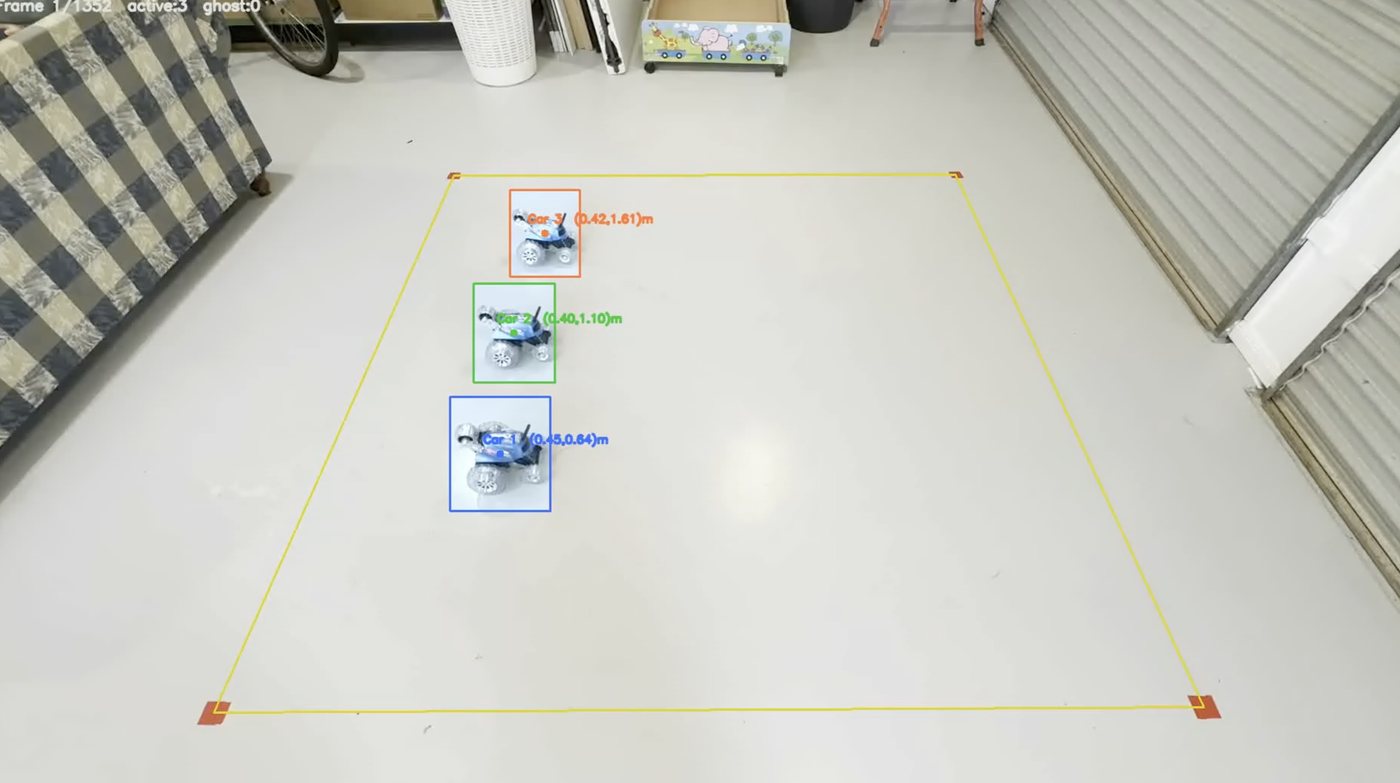
I calibrated the ultra-wide camera, tracked four arena markers and recomputed a projective homography so detections could be expressed in arena coordinates rather than image pixels. The supplied YOLO detector was only one component; my work surrounded it with calibration, identity management, coordinate mapping, timing and output validation.
Kalman-assisted association, ghost states and boundary-aware reacquisition helped preserve the identities of three visually identical vehicles through exit, loss and overlap.

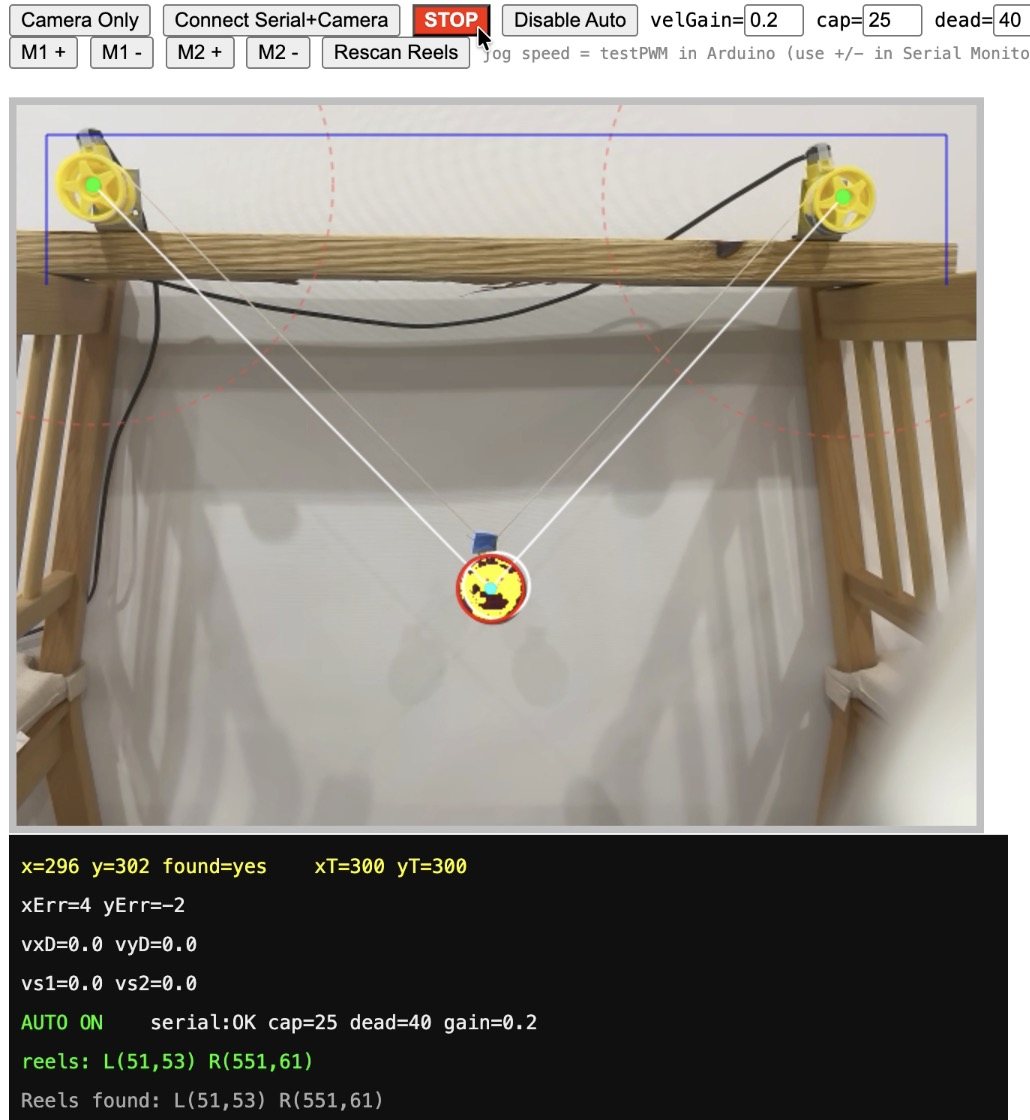
A physical rig used browser-based vision to locate a suspended ball, calculate image-plane error and send serial commands to an Arduino Nano driving two PWM motors. The prototype moved the ball toward a user-selected target without encoders.
Boundary: prototype evidence, not production motion control.
Six engineered features were used to predict an established depth-of-anaesthesia reference. Eight recordings supported model selection through five-fold cross-validation; four separate recordings remained held out for final evaluation.
Random Forest produced the strongest single result, but k-NN was more consistent across the four unseen cases. The engineering lesson was about generalisation and case-to-case variation, not choosing the largest isolated number.

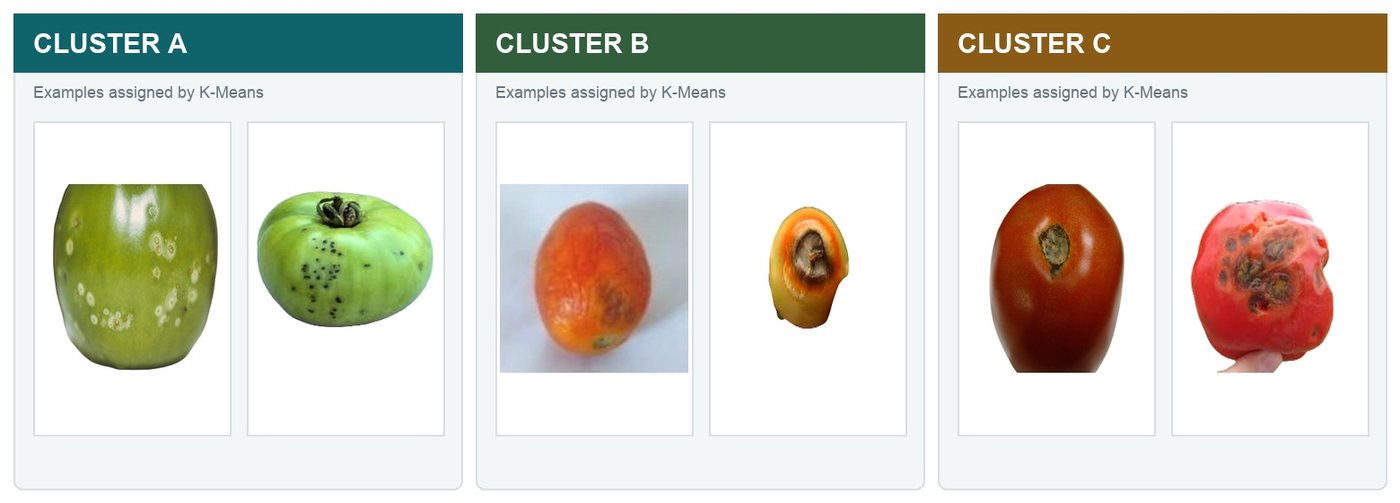
Removing background influence and using physically meaningful colour features improved cluster separation more than adding model complexity.
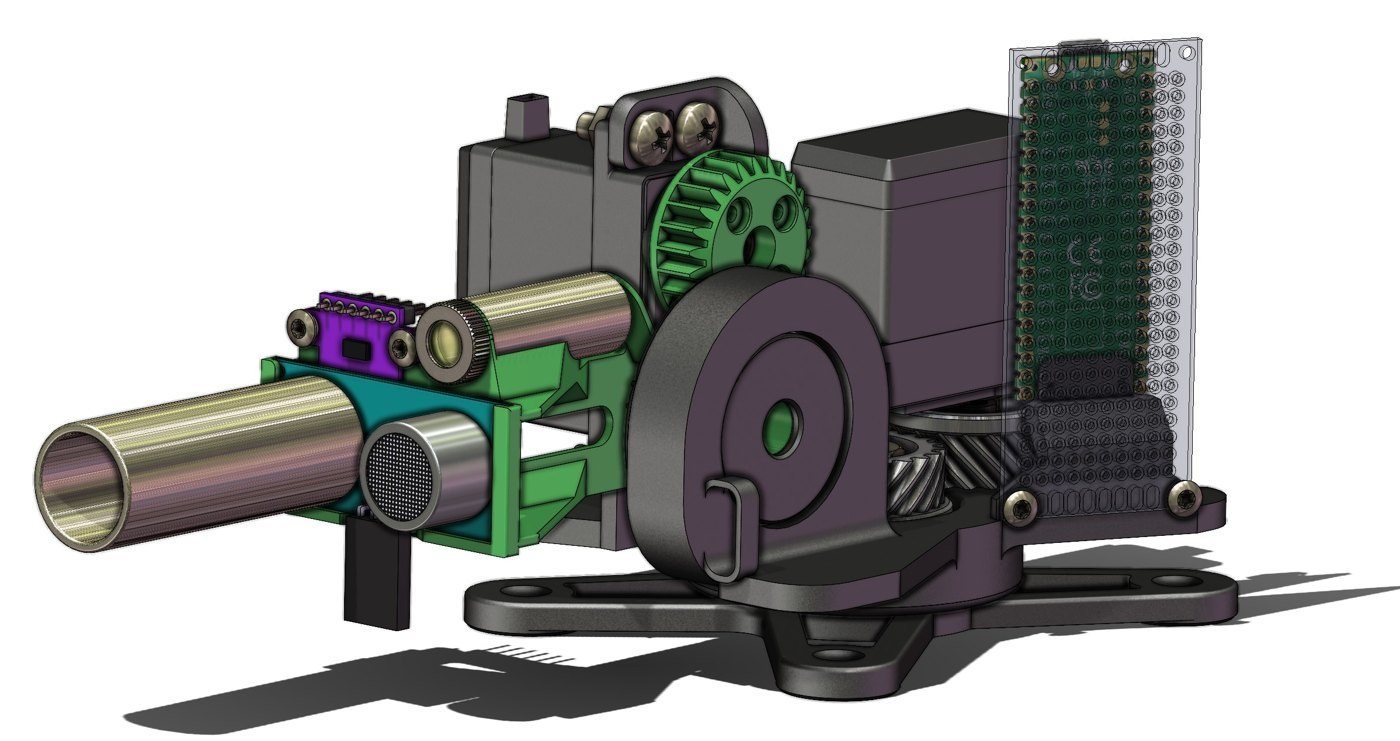
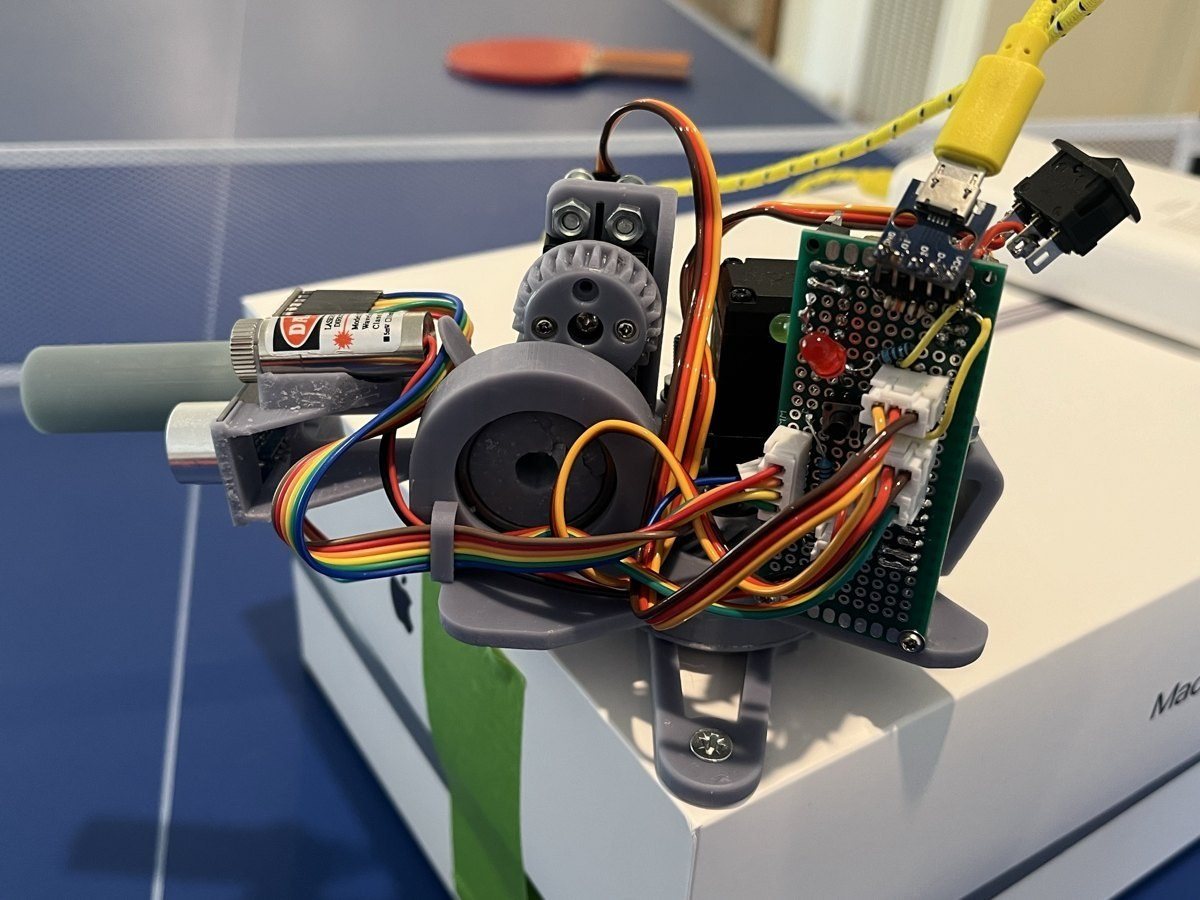
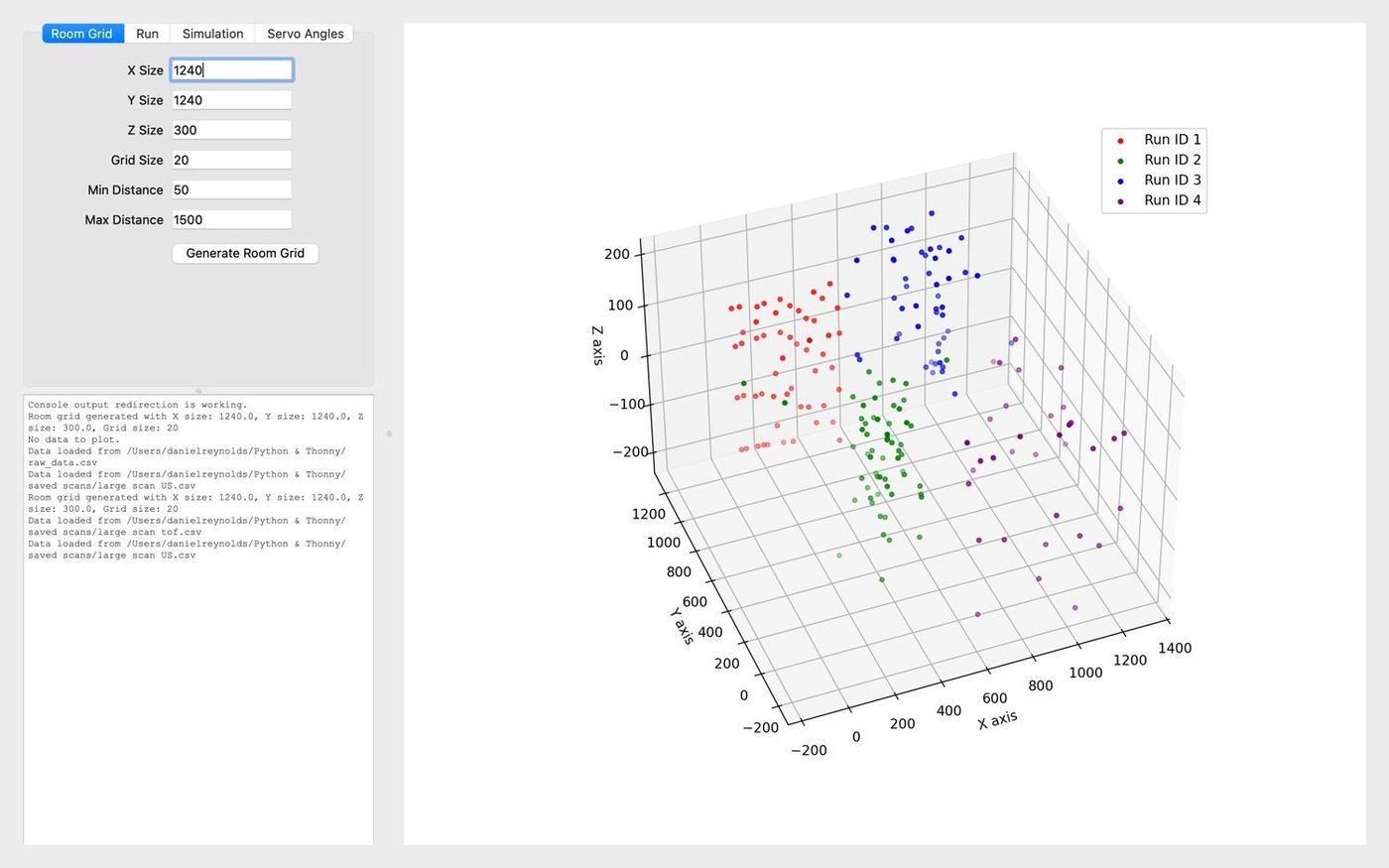
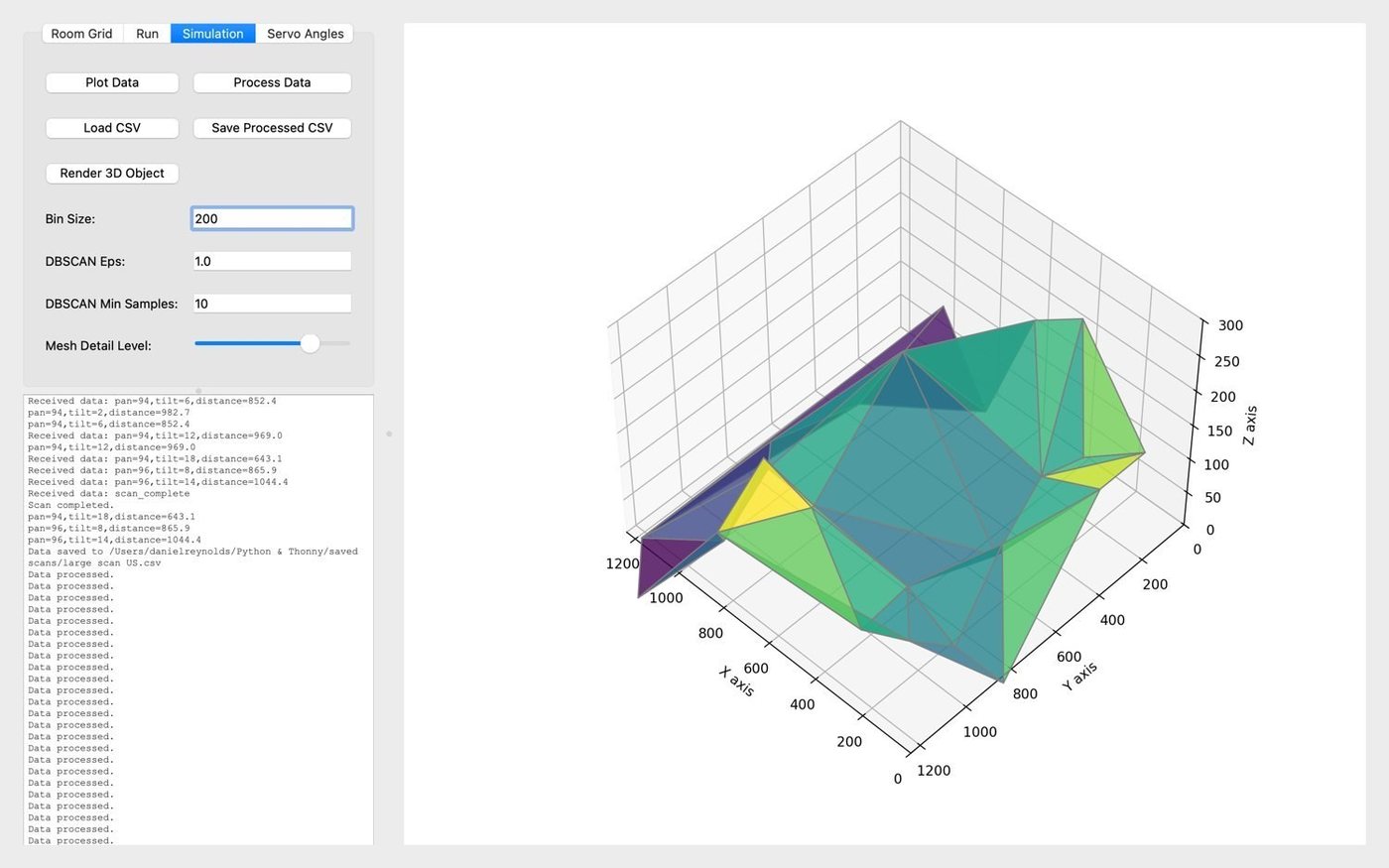
I designed and built a geared pan-tilt scanner, integrated ultrasonic and time-of-flight sensors, wrote MicroPython acquisition and BLE communication, and developed a Python/PyQt host application for control, capture and reconstruction.
Selected code:3D scanner software on GitHub.


I am interested in mechanical design and product engineering roles where practical experience, collaborative problem-solving and mechatronics knowledge can contribute to machinery and equipment development.
Email
Daniel@reyn.com.au
LinkedIn
daniel-reynolds-49963284
Portfolio
reyn.com.au/56/portfolio
Earlier REYN project archive
reyn.com.au
Earlier project examples from REYN Consultancy.
Springfield Lakes, QLD · Greater Brisbane · Australian citizen