Daniel Reynolds · Brisbane, Queensland
ContactSenior mechanical design portfolio
I take machinery and equipment from the client’s brief through design, verification and manufacturing release. I started in fitting and machining, so how a design will be built, assembled and used is part of the brief from day one.
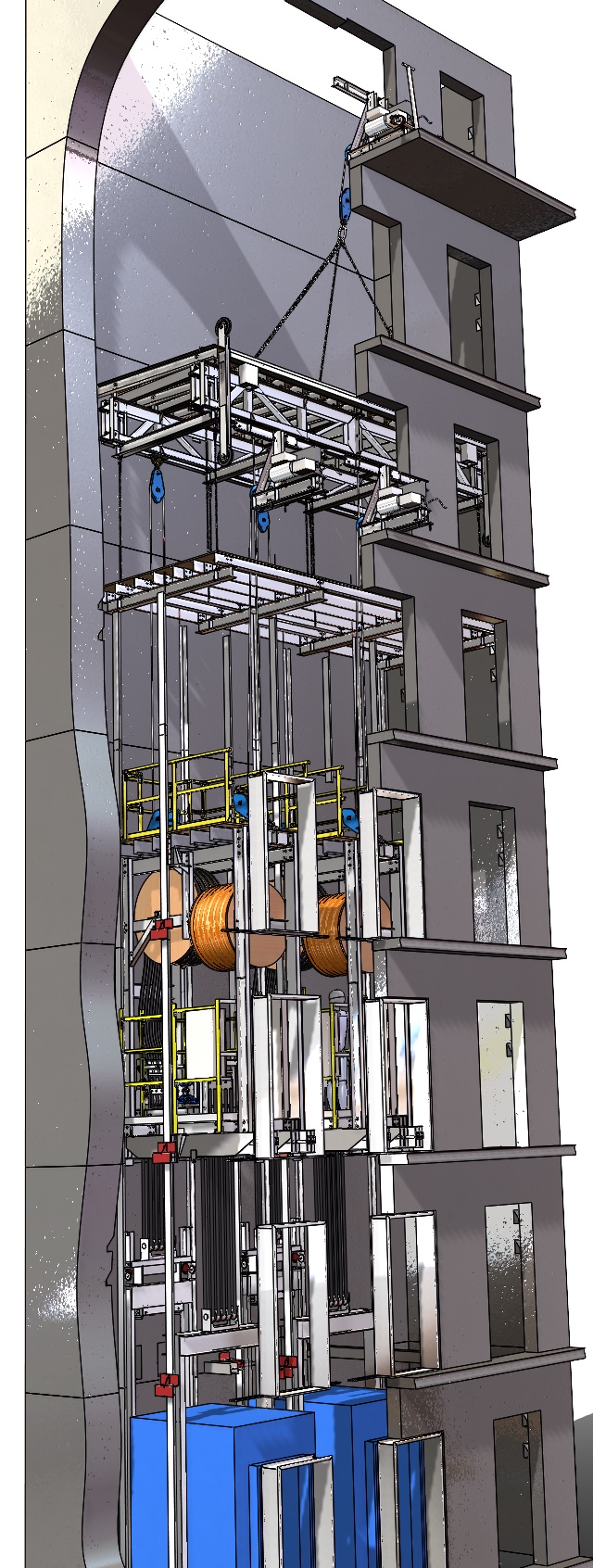 Otis AustraliaDeveloping purpose-built lift equipment and earning repeat work.
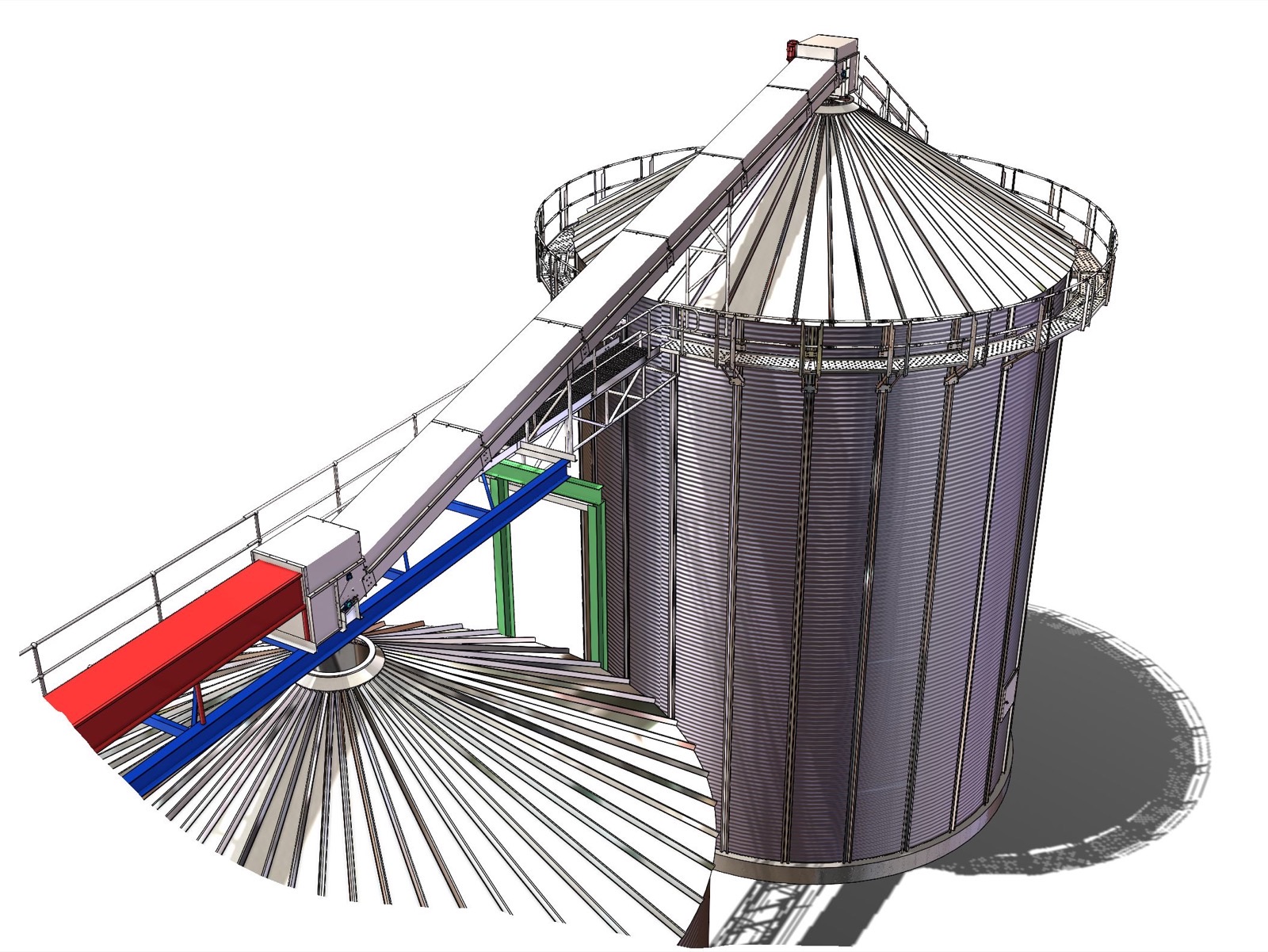 Silo Services & ICADesigning for the product and proving conveyor layouts in the workshop.
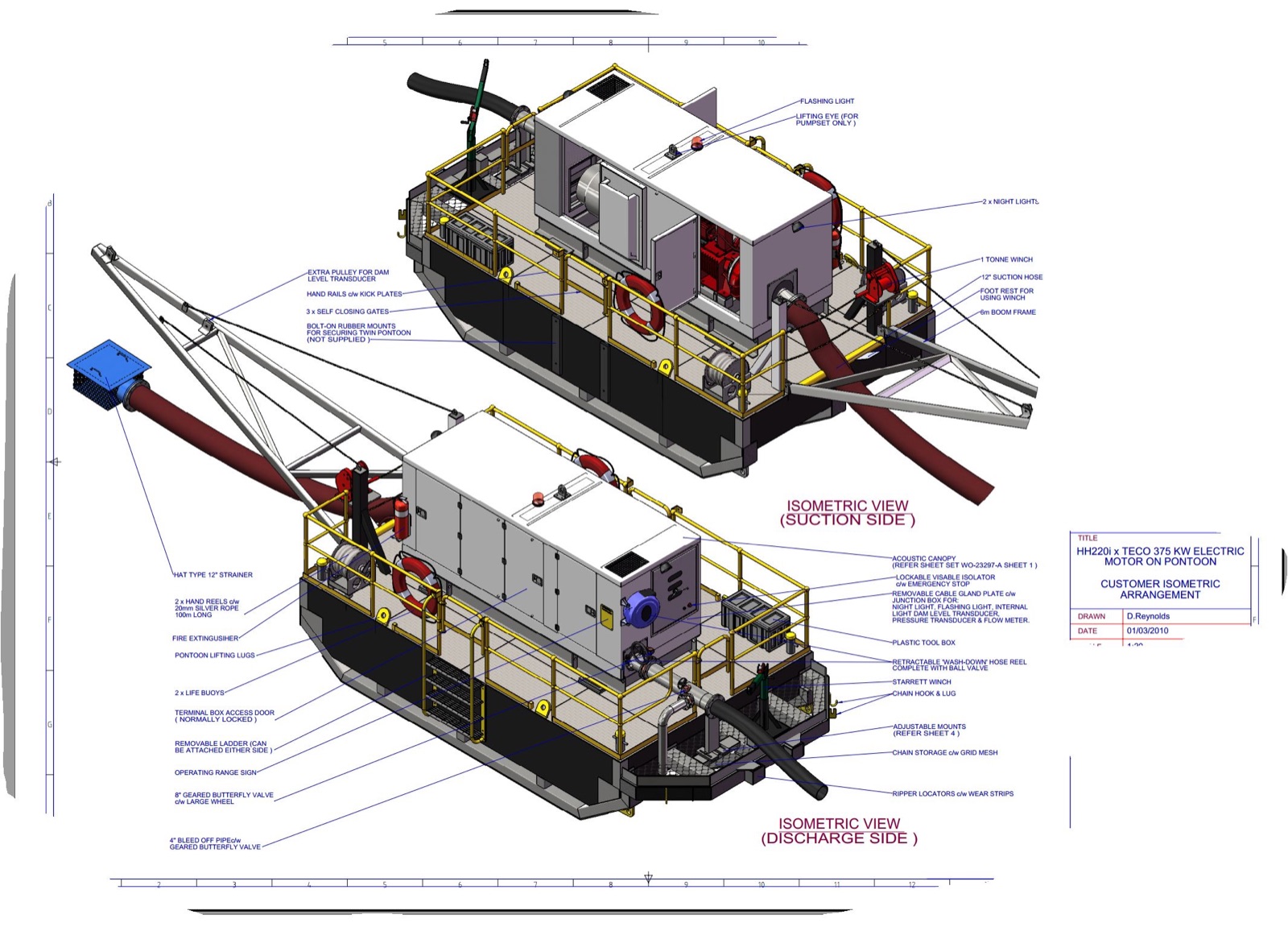 AllightSykesResolving equipment layout and lifting before manufacture.
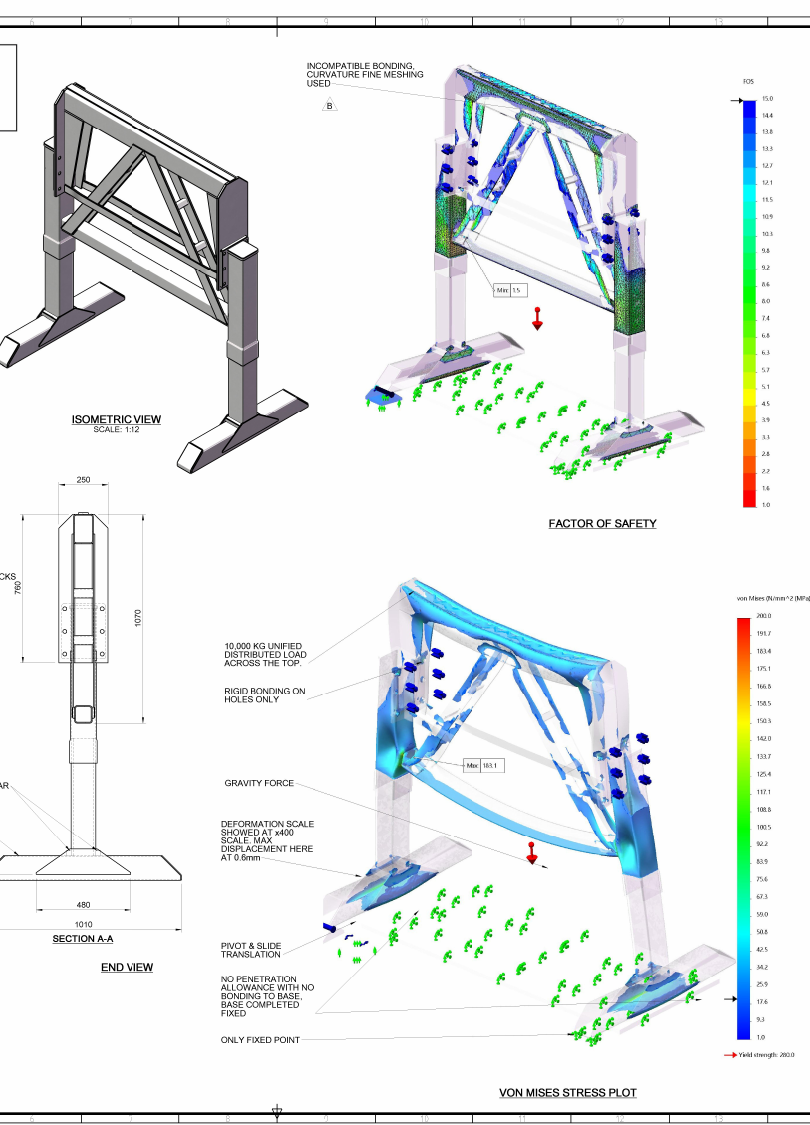 Barker TrailersChoosing load cases and documenting findings for independent review.
01 · Design ownership
Otis Australia — from the first brief to repeat work
When Otis tendered a scope for purpose-built lift equipment for high-rise construction, I was new to the lift industry. I researched the system and turned the requirements into a 3D concept. The client told me it was close to what he had in mind and showed I understood the problem. That first brief grew into more than 60 projects across three Australian states since 2013.
I only needed the first brief. The next sixty were earned.
For a self-climbing jump lift, I developed an arrangement that could climb within the building without a crane and be assembled where there was no access from above. The temporary motor room, lifting frame, protection decks and work platforms had to fit the building and work through the same climbing sequence.
Testing the first explanation
On a separate temporary motor-room package, I reduced the overall height by more than 100 mm by choosing a shallower beam and repositioning the sheave. I checked anchor spacing and rope clearance. When FEA showed a local stress peak at a wall-bolt hole, I tried a diagonal brace to see whether more frame stiffness would help. The brace made little difference, so I focused the investigation on the connection model before issuing the drawings.
Good judgement means designing a check that could prove my first explanation wrong.
02 · Conveying and materials handling
Handling the product and proving the design
Silo Services — pistachio load-in
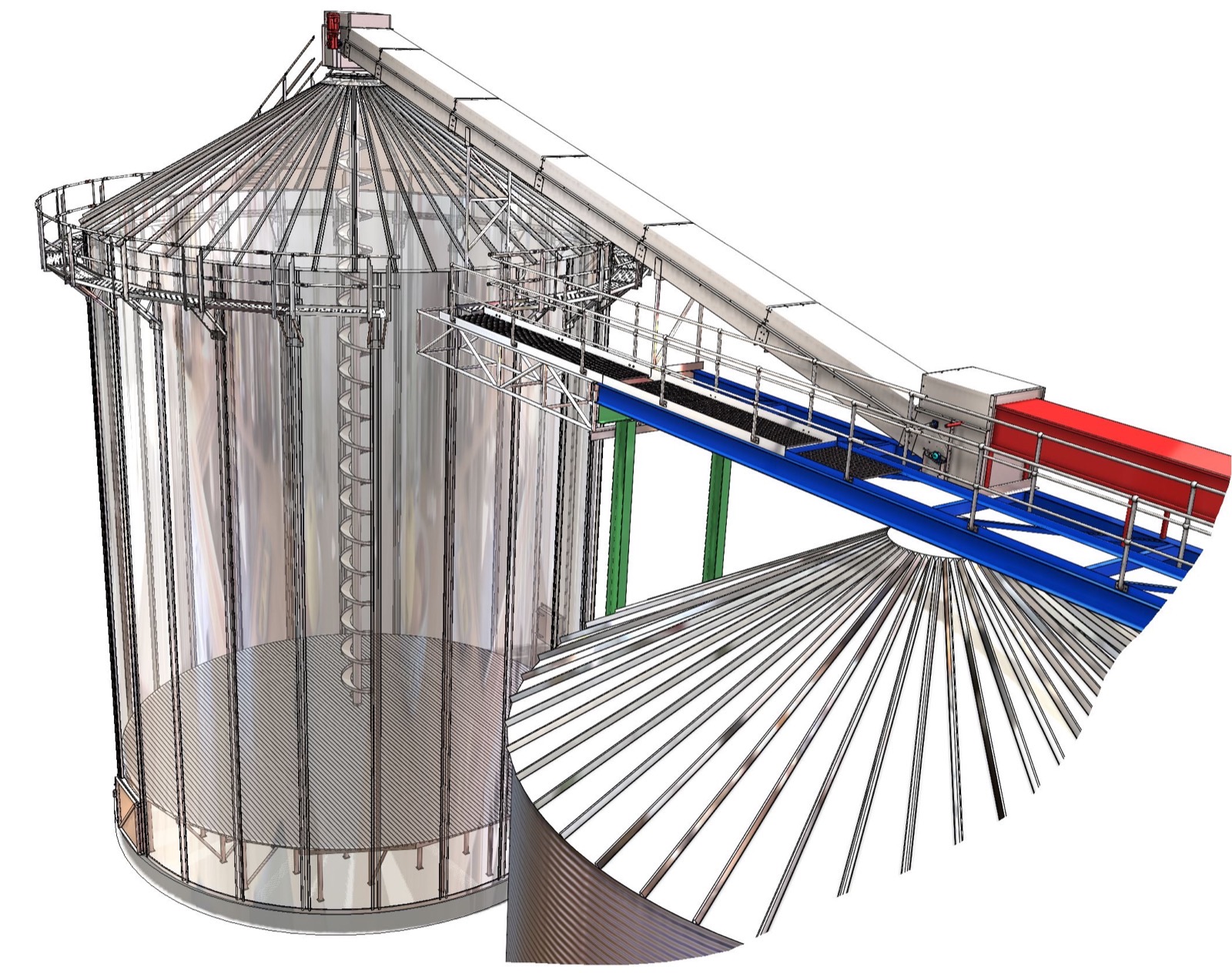
I designed an inclined paddle conveyor to lift the pistachios to the silo and a spiral chute inside the silo to lower them gently. I chose paddles because conventional auger flights can pinch or shear the nuts.
Silo Services — designing the fit-up into the parts
On a separate 30-degree transition, I worked with a supplier to divide the shape into laser-cut plates with self-locating tabs and slots. The plates established the geometry during assembly, reducing manual set-out and the need for dedicated jigging.
Industrial Conveying (ICA) — from layout to workshop test
I designed a frozen-pie belt conveyor with adjustable guides to keep the pies on the belt through the bends. I also worked on case roller conveyors with turntables and twin-chain pallet conveyors with 90-degree lift transfers for one-shot trailer loading.
I used my fitter’s marking-out skills to chalk the conveyor layout square and parallel on the workshop floor. We set up and tested the systems there before dismantling them for site. I worked with systems engineers on guarding and interlocked shutdowns.
MATO: Modelled conveyor components and prepared product sheets.
03 · Design for manufacture
AllightSykes — settling the lift point before the build
As the sole designer, I introduced 3D SolidWorks to a 2D AutoCAD workflow. I took approved pump-package concepts through to released production designs, coordinating pumps, motors, structure, pipework, controls and access. Many of the packages were for mine sites.
Finding the single-point lift position had previously been a workshop task. I used the SolidWorks model’s mass properties to locate the lift point and adjust equipment positions during design, before the package went into manufacture.
04 · Engineering verification
Checking equipment against the loads it could see
Barker Trailers — jacking stand assessment
“We’ve used it without trouble” tells me about the stand’s service history. To understand the margin, I needed to know how it behaved under less favourable loads.
I reconstructed the geometry of an existing stand, established load cases and boundary conditions, and used structural FEA to assess it. I documented the findings, improvements and safe-use requirements for the independent reviewing engineer.
Existing transport trolley — finding the load case that changed the answer
I compared normal and tipped handling and investigated how off-centre or dynamic loading changed the stress path. The finding led to a practical stiffener modification.
Concrete Mine Structures — mine ventilation
Through REYN, I designed ventilation pipework and shut-off vents. For a hinged shut-off cover integrated into a mine tunnel seal, I compared structural response across modelled pressure cases and used the findings to advise the client on the design.
Coal transfer chute — comparing alternatives
In a separate 2014 study, I used DEM to compare five configurations for flow and simulated impact wear. I identified plugging in the supplied design and recommended a revised arrangement.
Royal Wolf — checking the model in the workshop
In 2025, I worked with the workshop to measure the centre of gravity using load cells. Comparing the measurement with my calculations exposed incorrect material data in the inherited CAD models.
Selected equipment and structures
Mobile equipment and design for installation
WesTrac
Vehicle access, platforms and handrails, including a Caterpillar 773F service cart.
Orica
Mobile manufacturing units and underground charging equipment, integrating pumps, pipework and other equipment.
GE Industrea
Customer-specific underground vehicle configurations, production documentation and as-built component traceability.
FRP spiral staircase — design to installation
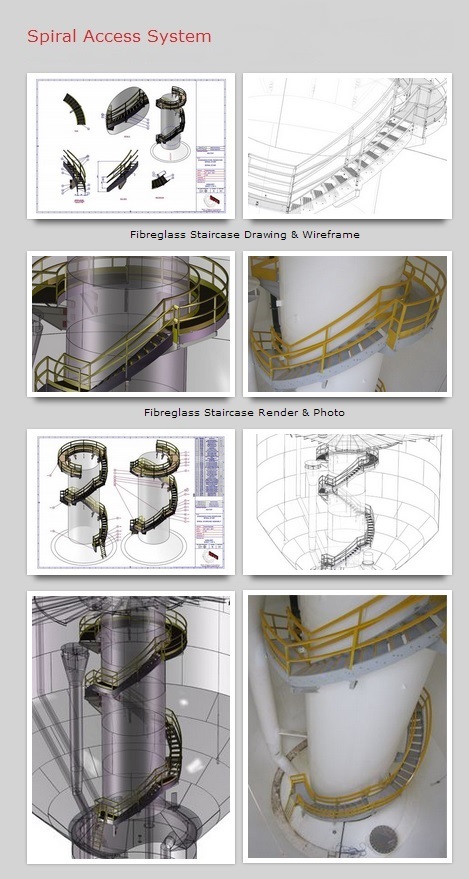
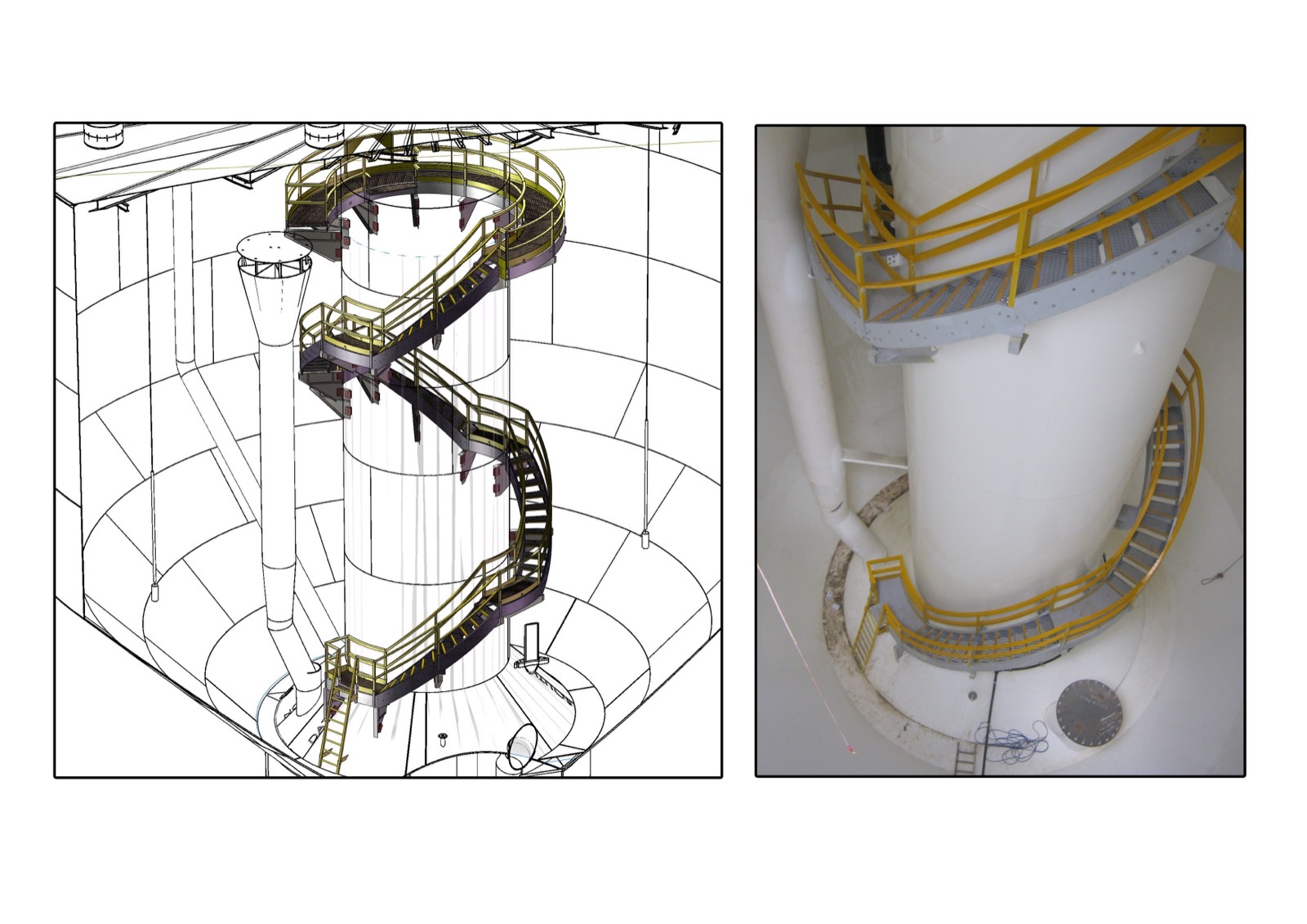
I used fixed angular datums to set out the stair cleats on the curved wall. This allowed local spacing to adapt to the as-built geometry while preserving the stair path. The client had shown me another installation where every cleat had been ground off. On this job, the modular stair went in through the dry riser and was installed in one week without removing the roof or bringing in a high-reach crane.
Paid accessibility research
Smart Ramp — from model to physical test
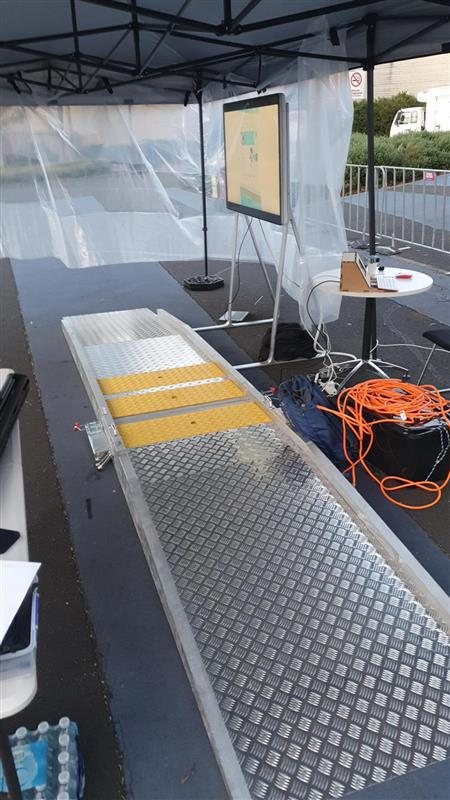
I modelled how wheelchair wheels crossed gaps and steps and used Python to explore the effect of different geometries. I built a low-cost proof of concept and then designed the four-metre instrumented test platform used in physical testing.
Let’s discuss the work.
The mistakes I’m proudest of are the ones that never happened.
I’ve worked through REYN Consultancy since 2009, part-time at first and full-time from June 2013. I hold a Bachelor of Engineering (Honours), with First Class Honours in Mechatronic & Robotic Engineering.